What Is Programmatic Advertising? A Comprehensive Guide
Programmatic advertising is a broad term that spans many areas of digital advertising — from AdTech platforms and media-buying methods to advertising channels and creative formats. This guide explains what programmatic advertising is, how it works, and the technology platforms and processes that power it.
What Is Programmatic Advertising?
Programmatic advertising is the process of automating the purchase, sale, delivery, and measurement of digital advertising campaigns via advertising technology (AdTech) platforms. These platforms allow advertisers, publishers, and agencies to create, run, and optimize ad campaigns with minimal human involvement.
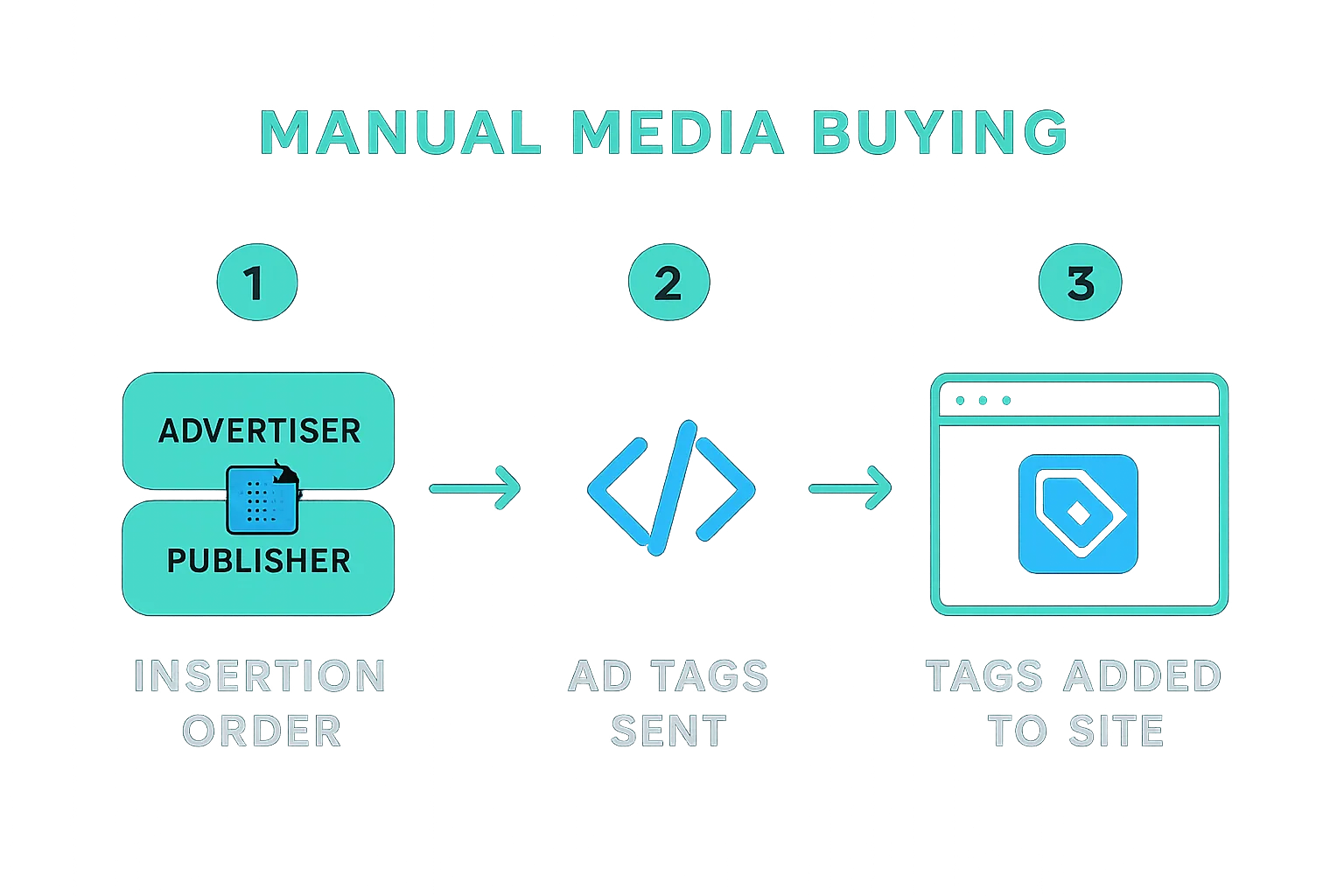
When online advertising first started, everything was a manual process: advertisers would send their ad tags to publishers, who would manually add them to their websites.
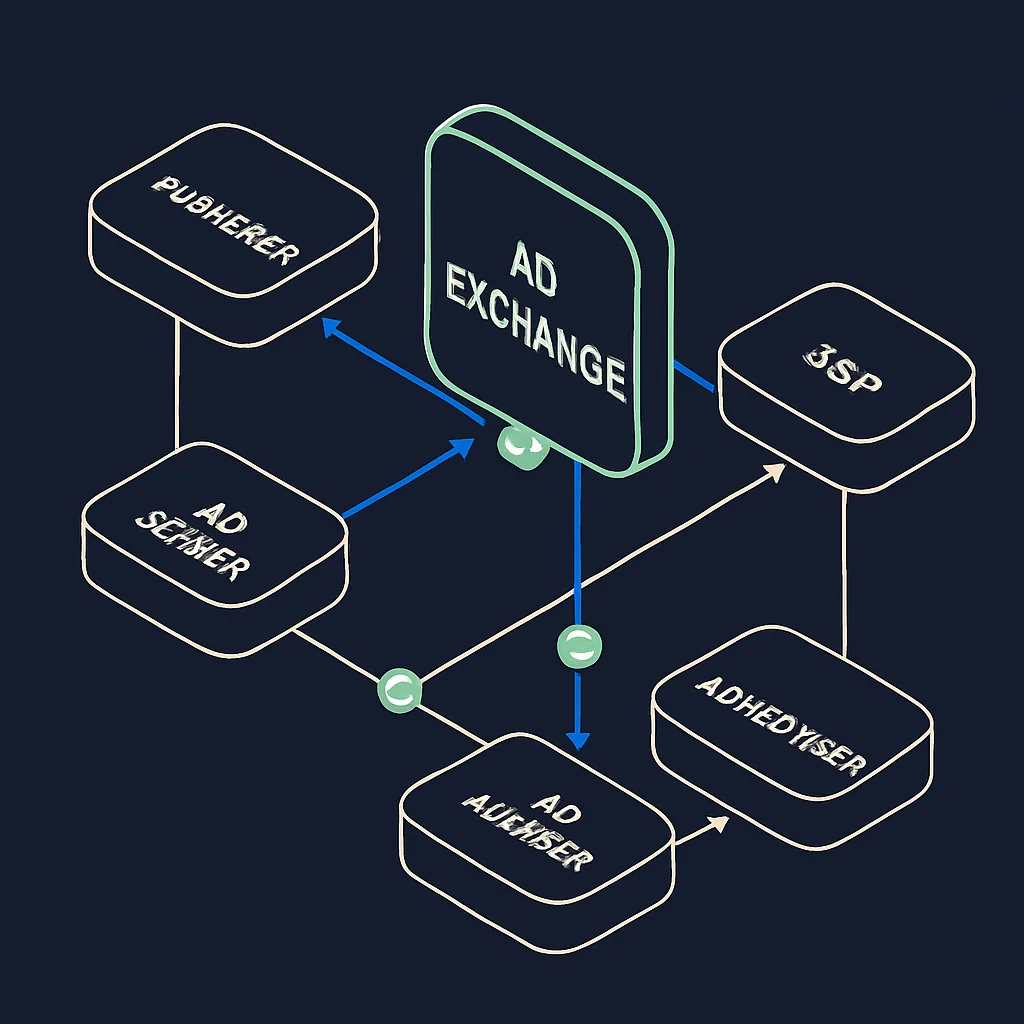
Compare that with how programmatic advertising looks when buying media via real-time bidding (RTB).
The Main Programmatic Advertising Platforms
In any given programmatic media transaction, there could be anywhere between a couple of AdTech platforms to a dozen. Below are the core platforms involved in programmatic advertising campaigns.
Ad Servers
An ad server is an AdTech platform used by publishers, ad agencies, ad networks, and advertisers to create, manage, and run digital advertising campaigns. Ad servers decide which ads to display on a website, serve them, and generate reports on metrics such as impressions, clicks, and conversions for both advertisers and publishers.
Supply-Side Platforms (SSPs) and Ad Exchanges
A supply-side platform (SSP) is an AdTech platform used by publishers to manage, sell, and optimize their inventory (i.e., ad space). SSPs enable publishers to monetize their websites and mobile apps by showing ads in display, video, and native formats to their visitors.
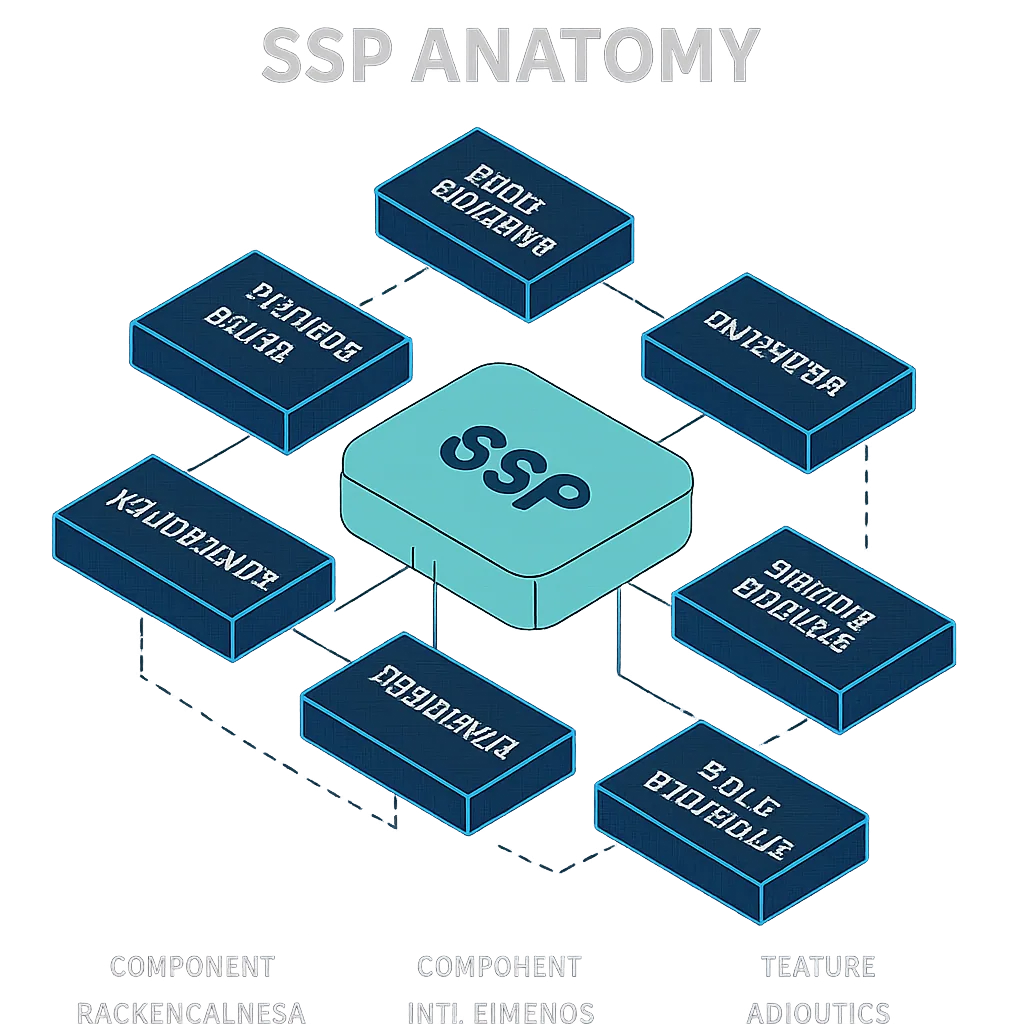
The main components and features of a supply-side platform (SSP).
Over time, SSP vendors have added exchange capabilities to their platforms, allowing publishers to connect directly to DSPs rather than routing through a separate ad exchange first.
Demand-Side Platforms (DSPs)
A demand-side platform (DSP) is an AdTech platform that allows advertisers and ad agencies to buy different types of inventory (i.e., ad space) from multiple publishers through a single user interface.
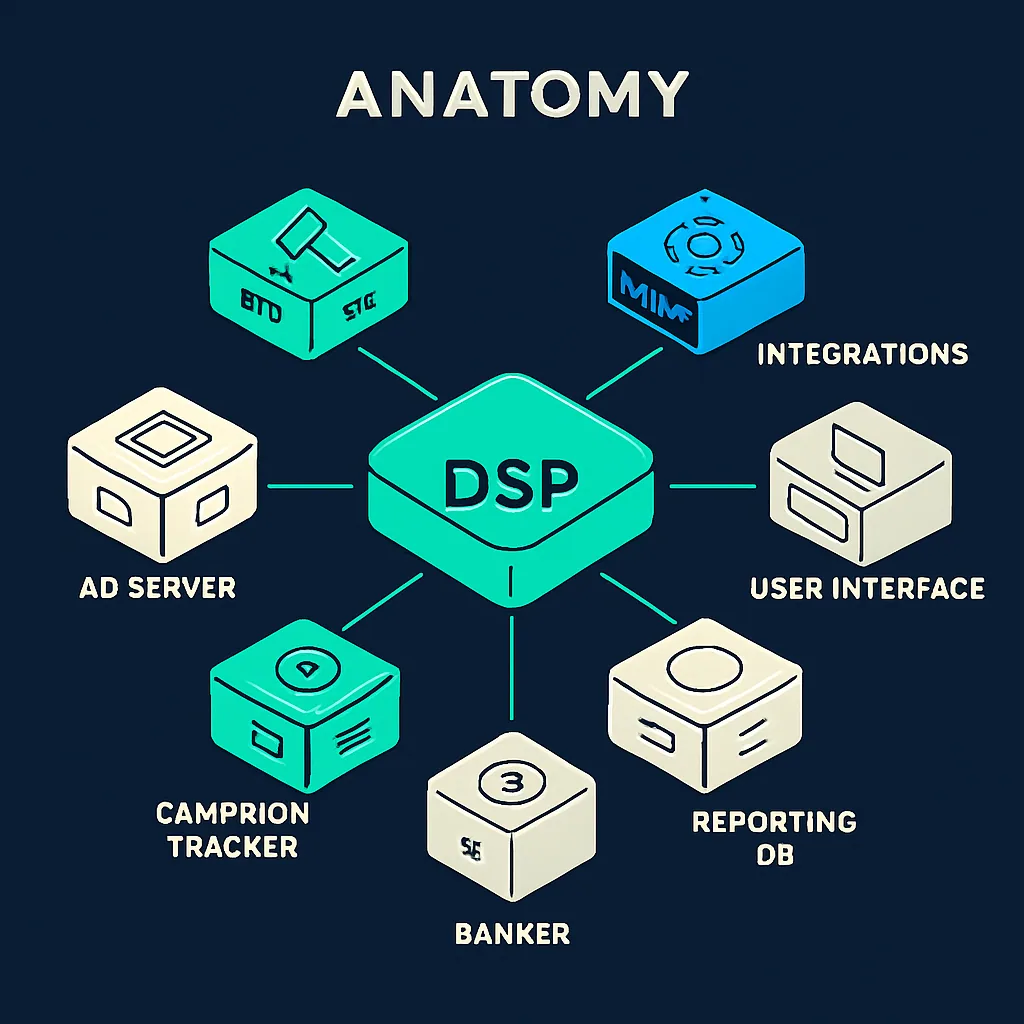
The main components of a demand-side platform (DSP).
DSPs — like SSPs and ad exchanges — are a core part of real-time bidding (RTB). Unlike ad networks, which traditionally allow advertisers to buy inventory in bulk, DSPs can purchase inventory on an impression-by-impression basis. A DSP operates somewhat like a stockbroker: just as a stockbroker buys shares on behalf of investors, a DSP buys inventory from an ad exchange on behalf of advertisers.
Ad Networks
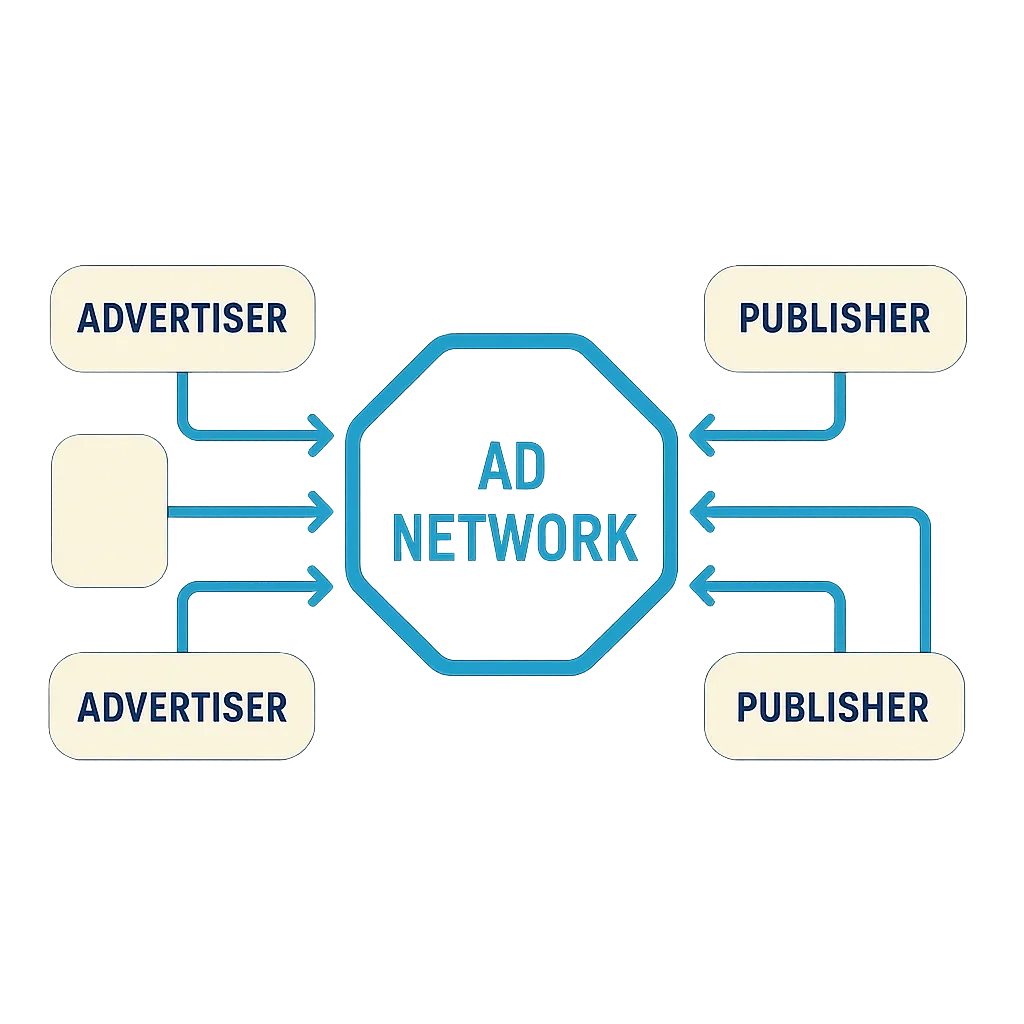
An ad network acts as an intermediary between publishers and advertisers. The technology emerged in the mid-1990s and has served the same fundamental function ever since: enabling advertisers to buy inventory across multiple publishers. Ad networks traditionally aggregate unsold inventory from publishers and offer it to advertisers at a discount relative to the publisher's direct-deal pricing. While they were originally associated with non-premium or remnant inventory, it has become increasingly common for ad networks to acquire exclusive, premium inventory and sell it at premium prices.
Data Management Platforms (DMPs)
A data management platform (DMP) collects, stores, and organizes data gathered from websites, mobile apps, and advertising campaigns. Because DMPs aggregate large volumes of data from diverse sources, advertisers and agencies use them to improve ad targeting, generate advanced analytics reports, and conduct look-alike modelling.
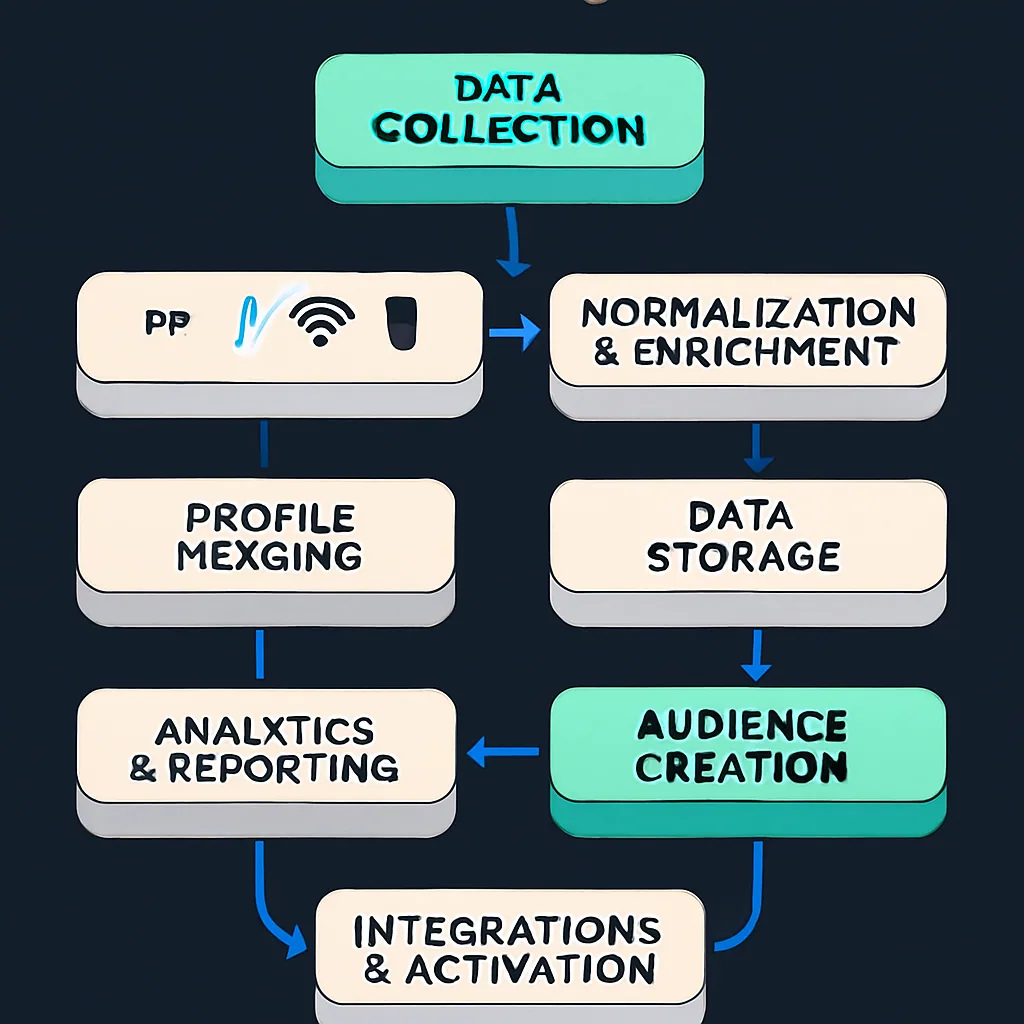
The main components and functions of a DMP.
Publishers can also use a DMP to view detailed reports about their audience and inventory, sell their data to advertisers and data brokers, and extend their reach to advertisers outside their own properties via audience extension.
How Programmatic Ad Buying Works
The mechanics of programmatic ad buying can be divided into four main parts: ad targeting, media buying, tracking and measurement, and reporting.
Ad Targeting Methods
The main targeting approaches available to programmatic advertisers are:
- Contextual targeting — displays relevant ads based on the content of the webpage a user is viewing.
- Behavioral targeting — also known as online behavioural advertising (OBA), displays ads based on a user's interests and browsing history.
- Retargeting — displays ads to users who have previously interacted with a brand or advertiser.
- Demographic targeting — displays ads based on demographic attributes such as age and gender. While it can be a powerful complement to other targeting methods, it is less widely used in programmatic because most publishers do not collect this type of data from their visitors. The notable exceptions are Facebook and Google.
Programmatic Media-Buying Methods
There are several ways advertisers can purchase inventory from publishers: programmatic direct, real-time bidding (RTB), and private marketplace (PMP). Header bidding and the publisher waterfall are often discussed alongside these methods, though they are more accurately described as ways to organize and sequence the above.
Programmatic direct — also known as programmatic guaranteed, programmatic reserved, or automated guaranteed — involves advertisers buying inventory directly from publishers via ad servers and ad networks. These deals can include both guaranteed and non-guaranteed contracts.
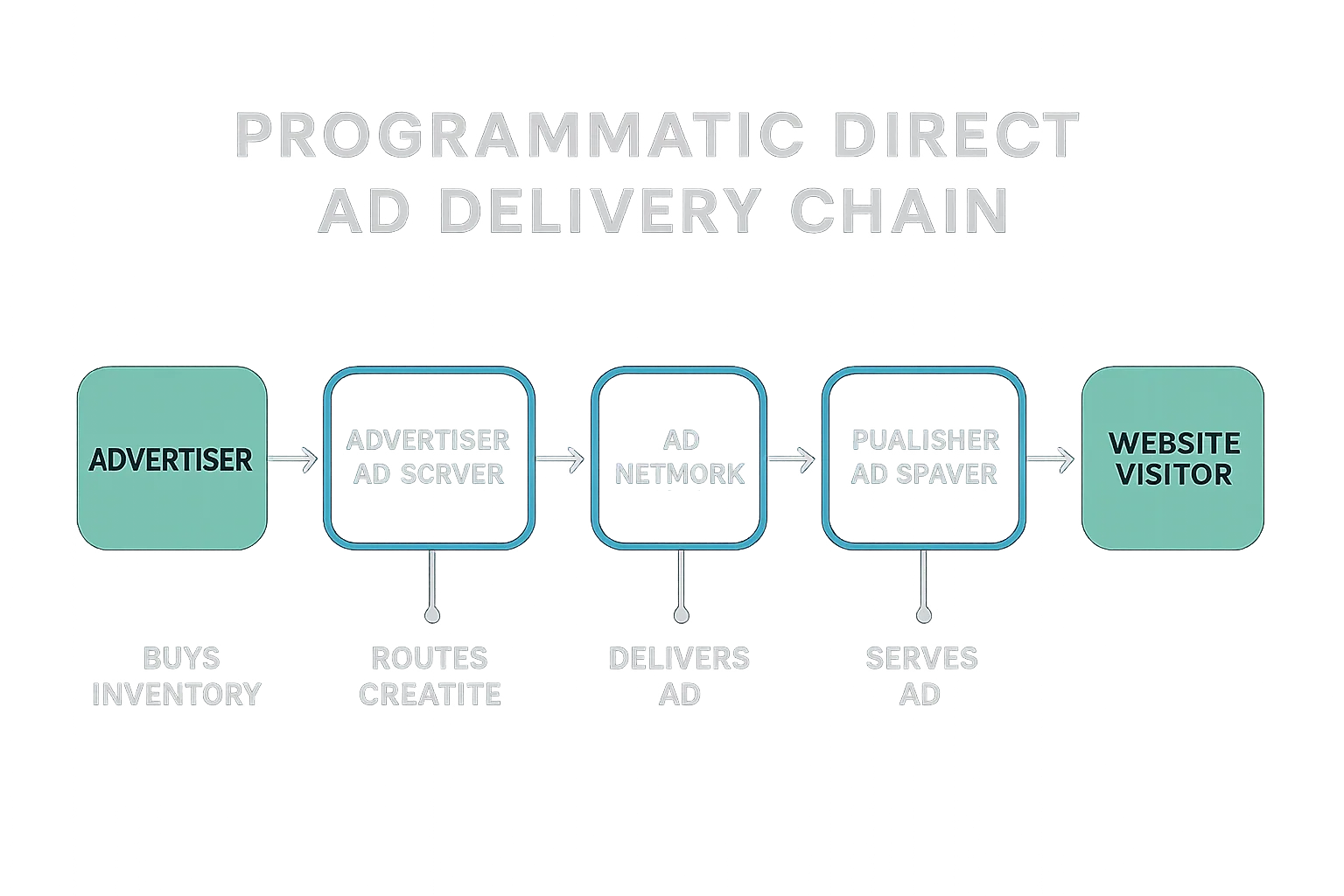
With programmatic direct, the advertiser and publisher agree on the inventory volume and CPM, and the remainder of the process is handled programmatically through AdTech platforms. There is some lack of consensus in the industry about whether programmatic direct and programmatic guaranteed are truly distinct from one another; opinions vary.
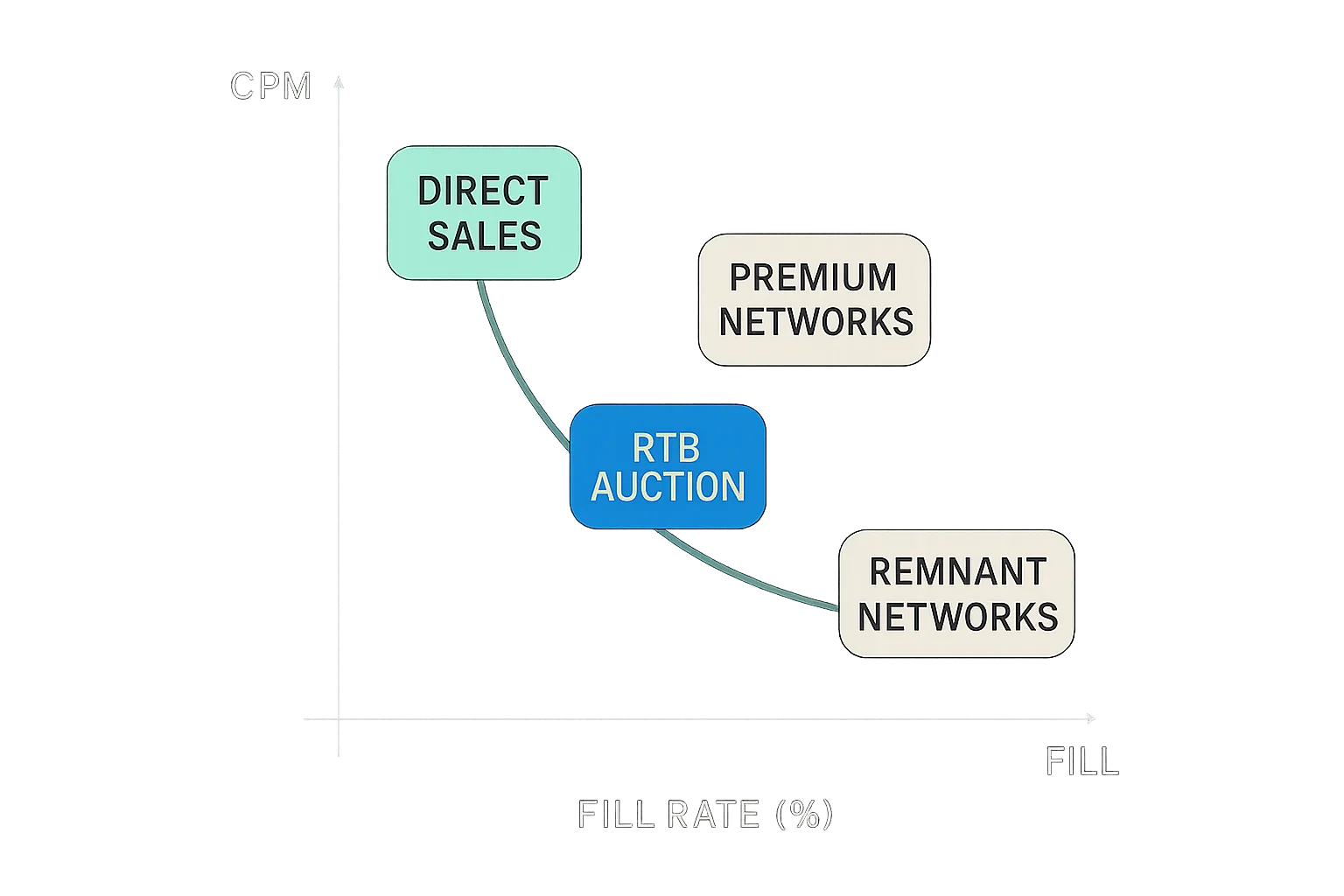
Real-time bidding (RTB) was introduced in the late 2000s and represented a significant shift in how online advertising operated. RTB was originally designed to help publishers sell remnant inventory, but it is now used to sell all types of inventory, including premium placements. The defining characteristic of RTB is that media deals are transacted via a real-time auction, with advertisers purchasing inventory on an impression-by-impression basis.
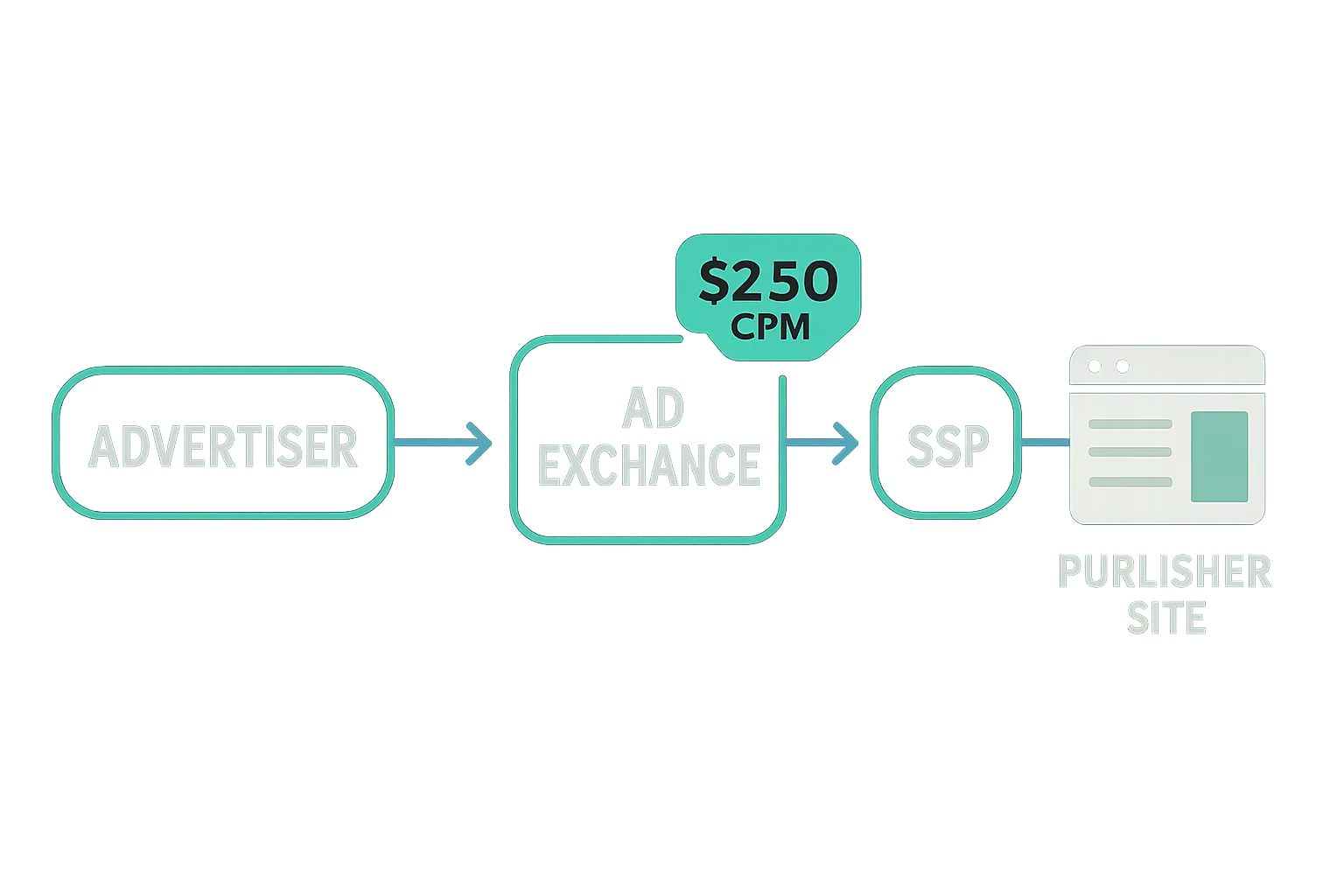
A key advantage of RTB is that advertisers can simultaneously access inventory from multiple publishers rather than negotiating with each one individually. This allows them to reach their target audience more precisely and bid based on what they know about the specific site and user at that moment.
Private marketplace (PMP) is an invite-only variation of the RTB model in which publishers offer premium inventory to a select group of buyers. Unlike open RTB auctions where any eligible advertiser can participate, PMP deals are restricted to invited buyers. Advertisers can reserve, or guarantee, premium placements before those impressions enter an open RTB auction. The key technical element of a PMP deal is a deal ID, which advertisers use to identify PMP deals within bid requests from SSPs and ad exchanges.
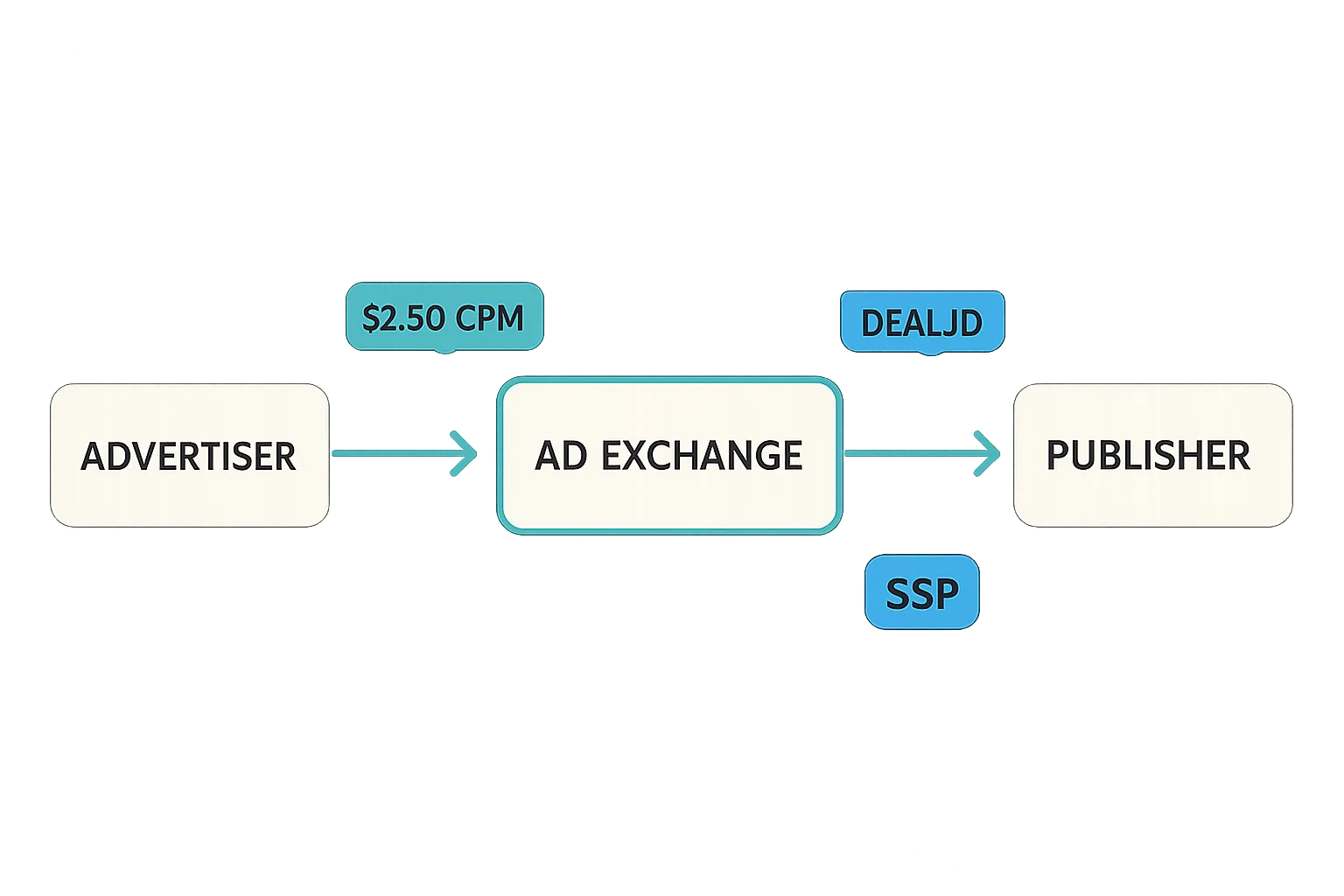
Waterfalling — also known as a daisy chain or waterfall tags — is a process for selling inventory in which demand sources are initiated one at a time, sequentially. The goal is to sell all available inventory at the highest possible price. Publishers configure their waterfall in the ad server, ordering demand sources from the one most likely to produce the highest CPMs down to the lowest.
Header bidding (also called pre-bidding, advance bidding, or holistic yield management) enables publishers to simultaneously collect bids from multiple demand sources — such as DSPs — before their ad server loads other tags, including direct deals.
Header bidding emerged as a response to the inefficiencies of waterfalling and to the structural advantage Google's ad server (formerly known as DoubleClick for Publishers, or DFP) conferred on Google's own ad exchange (AdX). Because so many publishers use Google's ad server, AdX bids were effectively evaluated ahead of other demand sources, putting competing buyers at a disadvantage.
There are two forms of header bidding:
- Client-side header bidding (CSHB): bids are sent from a piece of JavaScript code placed in the website's
<head>section — hence the name. - Server-side header bidding (SSHB): rather than sending multiple bids from the browser, a single bid request is sent to a server, which distributes it to multiple demand sources.
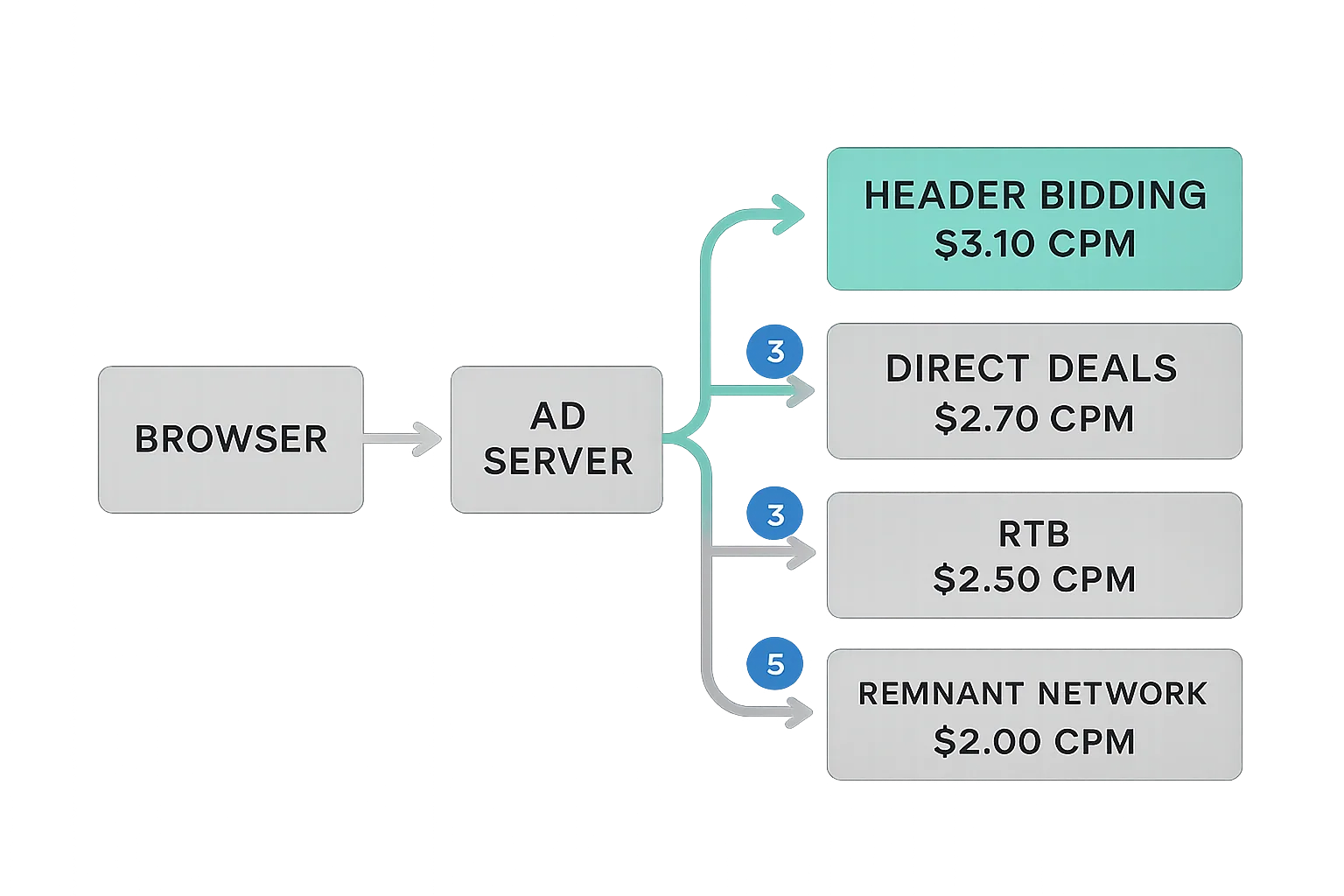
Because publishers can collect bids from multiple demand sources before their ad server is called, header bidding allows them to secure higher CPMs. Advertisers also benefit by gaining access to inventory they might otherwise have missed.
What's the Difference Between Programmatic and RTB?
Programmatic media buying is an umbrella term for the automated process of purchasing digital ad space — including display ads, banners, and video — using software and algorithms. Real-time bidding (RTB) is one specific example of a programmatic media-buying process. Not all programmatic buying is RTB, but RTB is always programmatic.
Tracking and Measurement
Impression tracking measures the number of times each ad is displayed to a user. Each display counts as one impression: if a user visits a webpage, sees an ad, then reloads the page and sees the same ad again, that counts as two impressions. The standard method for counting impressions is to serve a 1×1 transparent image — called an impression tracker or impression pixel — that notifies the ad server each time it loads.
Click tracking counts the number of clicks an ad receives. A click tracker is the URL of the ad server's redirect service, which records the click and then redirects the visitor to the campaign's final landing page. The ad server embeds the click tracker in the ad markup so that the click is recorded before the redirect occurs.
Conversion tracking records a conversion each time a user completes a goal set by an advertiser or marketer — such as purchasing a product, downloading a file, or filling in a contact form. Conversion tracking is used to report on campaign performance and is foundational to the cost-per-action (CPA) pricing model, whereby publishers or affiliate marketers are compensated only after a conversion is reported.
Reporting
The reporting function in an AdTech platform surfaces metrics about the performance of a campaign. These reports give advertisers and publishers insight into how many impressions an ad received, how many users clicked on it, and much more.
A metric is a number that represents a specific aspect of campaign performance. Key metrics include:
- Impressions — total number of times an ad was displayed.
- Clicks — total number of clicks on an ad.
- Conversions — the number of desired actions (goals) completed by a user (e.g., filling in a contact form or making a purchase).
- Reach — the number of unique visitors or devices the campaign reached.
- Click-through rate (CTR) = number of clicks / number of impressions × 100.
- Cost per mille (CPM) = cost per 1,000 impressions.
- Cost per click (CPC) = the cost of each click an ad generates.
- Cost per action/acquisition (CPA) = the cost of each action, acquisition, or conversion. Often used in affiliate marketing.
- Conversion rate (CVR) = number of conversions / number of clicks × 100.
- Amount spent (cost) = total money spent on impressions, clicks, and conversions.
- Revenue (total conversion value) = total money earned from conversions.
Reports often include metrics prefixed with the letter e (for effective), which indicate the revenue generated under a particular pricing model. The effective metrics can be calculated for any campaign as follows:
- Effective cost per click (eCPC) = budget spend / number of clicks
- Effective cost per action/acquisition (eCPA) = budget spend / number of conversions
- Effective cost per mille (eCPM) = budget spend / number of impressions × 1,000
For example, an advertiser running a CPM-based campaign could look at the eCPC and eCPA to evaluate whether a different pricing model would have delivered better performance for the same budget.
Overall advertising performance is typically evaluated using return on investment (ROI):
ROI = (total conversion value – amount spent) / amount spent × 100%
If an advertiser spends $50 on a campaign and generates $100 in sales, the ROI is 100%. The ROI metric can be positive or negative depending on whether the campaign generated a profit or a loss.
Dimensions and Subdimensions
A dimension is an attribute or variable used to break down a report. Common dimensions include:
- Country
- Device type
- Browser type
- Hour of the day
- Campaign
- Line item
- Creative
- Date / day of the week
- Publisher URL/domain
- OS and OS version
- Geolocation
Subdimensions (also called drill-downs) allow you to view data from one dimension broken down by another — for example, Country → Province/State → City.
Filtering
Filtering (also called segmentation) restricts the dataset a report runs against. Common filters include:
- Date range
- Advertiser
- Insertion order
- Line item
- Ad
Most platforms also allow include/exclude filters on any dimension value, for example:
- Country = France OR Germany OR United Kingdom
- Device type = Tablet
- Day of week = Monday–Friday
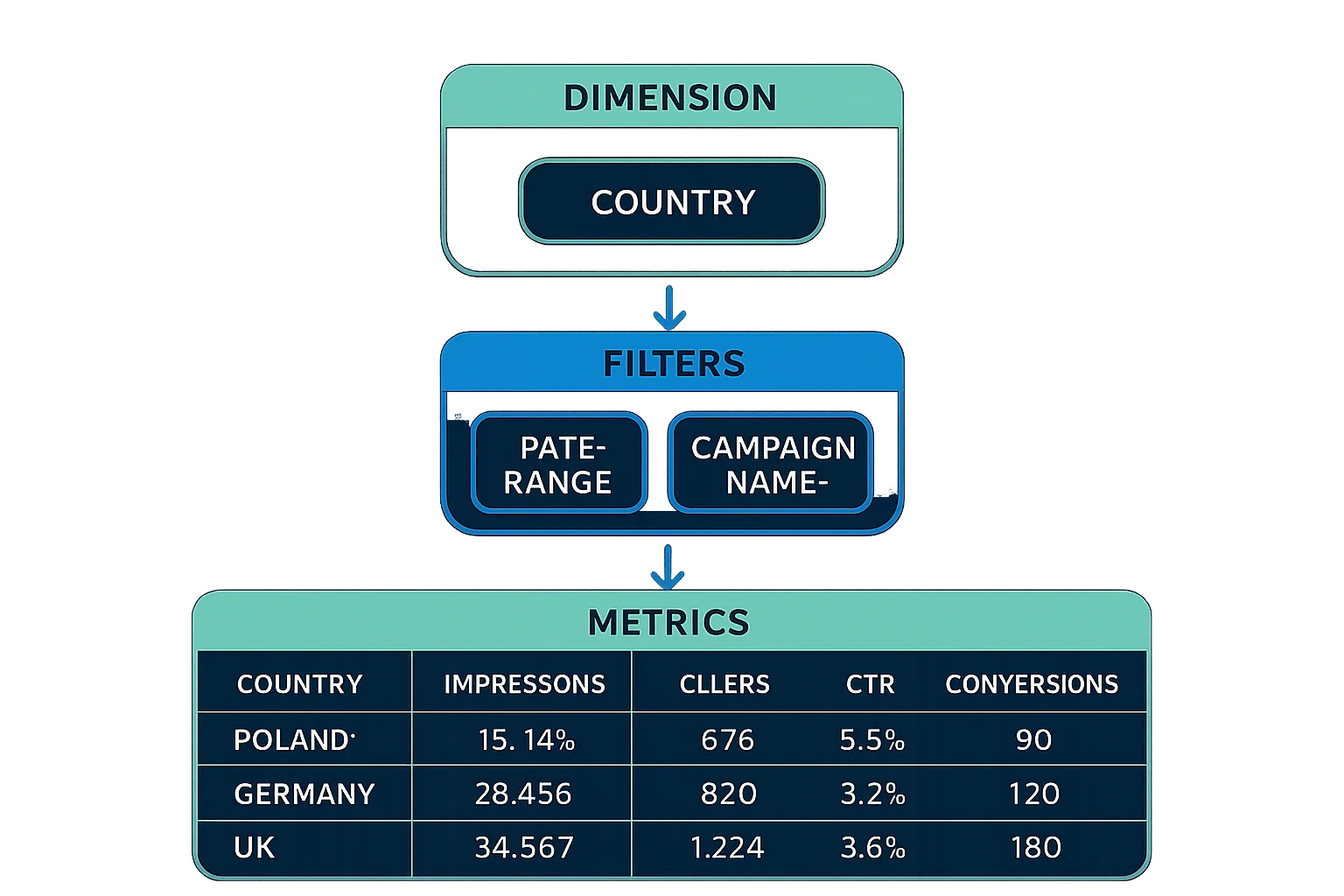
An example of a report displaying metrics, dimensions, and filters.
Programmatic Advertising Mediums and Channels
Advertising Mediums
Text and Image Ads
Text and image ads were the only medium available when online advertising began in the late 1990s, and they remain the most popular creative format in digital advertising today.
Examples of text ads
Examples of text ads.
Examples of image ads
Examples of image ads.
Text and image ads are served and displayed via HTML, JavaScript, iframes, and SafeFrame tags.
Native Ads
Native advertising is designed to blend with the surrounding page content, providing a less intrusive user experience. Native ads are most commonly found on content-rich sites such as news publications, blogs, and social media networks.
An example of sponsored content
An example of sponsored content.
Key native ad formats identified by the IAB include:
- Recommended content (also known as recommendation widgets)
- Paid inclusion (sponsored and advertorial content)
- In-ad with native elements
- Custom formats
Video Ads
Video advertising refers to ads delivered in video form. It is distinct from traditional television advertising, though the rise of online streaming services has blurred that distinction. Video ads are served similarly to image or native ads, except the creative is delivered to and displayed within a video player rather than inline on a webpage.
Rich Media Ads
Rich media is an interactive form of digital advertising that includes elements inviting user engagement. Rich media ads incorporate animated images (such as GIFs), audio, and video.
Examples of rich media ads
Examples of rich media ads from Google's Rich Media Showcase.
Common rich media formats include:
- Banners — standard text banners enhanced with interactive elements.
- Expanding ads — begin as normal banners but expand when clicked, typically from right to left and top to bottom.
- Interstitials — float on top of page content.
- Lightboxes — expand to cover much or all of the screen, typically triggered when a user hovers over the ad for at least two seconds or clicks on it.
Audio Ads
The growth of podcasts, music streaming services, and digital radio has made audio advertising increasingly relevant for brands and advertisers. Audio ads appear in several formats:
- Companion/banner ads — displayed on screen while a user listens to an audio track such as a podcast or music, and as banner ads within streaming apps or similar environments.
- Ad pods — run within one or more audio files as pre-roll (before content) or mid-roll ads.
- Dynamic ads — change based on contextual data about the user, such as location, time of day, or even weather conditions.
Advertising Channels
Web Advertising
Web advertising was the first channel available to advertisers and agencies, emerging in the late 1990s. It consists of advertisements displayed in web browsers on desktops, laptops, and mobile devices.
An example of a display ad in a web browser
An example of a display ad in a web browser.
Displaying ads in web browsers involves adding HTML or JavaScript to a page. When the browser loads the page, the ad tags load alongside it and send requests to AdTech platforms to determine which ad should be shown.
Mobile In-App Advertising
Mobile in-app advertising refers to ads displayed inside mobile apps on smartphones and tablets. Unlike web advertising, which relies on a browser to render ads, mobile apps require a software development kit (SDK) to display them. Developers integrate an AdTech vendor's SDK into their app, define the ad space, and select the ad medium (text, image, native, or video) and format (banner, interstitial, etc.).
An example of in-app mobile ads
An example of in-app mobile ads.
Social Media Advertising
Social media platforms such as Facebook, LinkedIn, and Twitter are sometimes grouped under web or mobile app advertising, but they constitute their own distinct advertising channel. These platforms rely heavily on native ad formats designed to resemble organic content within the feed.
Examples of social media ads
Examples of social media ads.
Advanced TV Advertising (OTT, Connected TV, and Addressable TV)
Traditional TV remains a significant medium for brand awareness and sales, but new forms of TV delivery have introduced new advertising opportunities.
- Advanced TV — a term introduced by the IAB to describe any form of TV delivery other than traditional broadcast, cable, and satellite connections.
- OTT (over-the-top) — refers to devices or services used to stream digital content to a TV or similar device. Examples include streaming boxes (Apple TV, Amazon Fire TV, Android TV), HDMI sticks (Chromecast, Roku, Amazon Fire TV Stick), smart TVs, game consoles, DVR set-top boxes, and internet-enabled Blu-ray players.
- Connected TV — any TV or OTT device that connects to the internet and allows users to watch video content such as TV shows and films.
- Addressable TV — aims to display different ads to different viewers watching the same program, using data collected via Internet Protocol TV (IPTV), connected TVs, OTT devices, and set-top boxes.
DOOH Advertising
Out-of-home (OOH) advertising has long been used by brands and agencies for billboards, street furniture (bus stops, telephone boxes), taxis, buses, and subway walls. Advances in display technology — digital screens, internet connectivity, and sensors — enabled digital out-of-home (DOOH) to emerge as a new channel, allowing advertisers to reach large audiences in more dynamic and engaging formats.
Gaming
Gaming is an area of advertising with significant untapped potential. The popularity of online gaming and esports creates broad advertising opportunities across consoles, PCs, and mobile devices. The most common ad formats in gaming include:
- Around-game environment ads — similar to traditional banner ads found on desktop and mobile.
- In-game ads — subtle placements that appear within the game itself, analogous to product placement in film, without interactive elements such as clickable buttons.
Search Advertising
Search engines like Google and Bing display a mix of organic and sponsored results in response to user queries. Sponsored ads appear when a user's search keywords match the targeting criteria set by an advertiser. For example, an advertiser targeting "hotels in Madrid" would likely have their ad surface when a user searches for "the best hotels in Madrid."
Search ads
Search ads tend to perform strongly because they respond to explicit user intent and are displayed in a native format, which contributes to higher click-through and conversion rates compared to banner advertising.
Is Programmatic Advertising Effective?
When it comes to delivering, measuring, targeting, and reporting on digital advertising campaigns, the automation that programmatic advertising provides is demonstrably superior to manual methods. The technology has helped publishers monetize their websites and mobile apps at scale, and given advertisers the tools to reach target audiences with far greater precision.
That said, some in the industry have questioned whether the mass collection of user data to power one-to-one targeting has helped or hindered the long-term evolution and popularity of programmatic advertising. The rise of ad blockers, increasing privacy regulation, and stricter browser privacy controls all reflect growing user resistance to pervasive tracking. Publishers and advertisers have also raised persistent concerns about a lack of transparency into intermediary fees and the accuracy of user data and reporting.
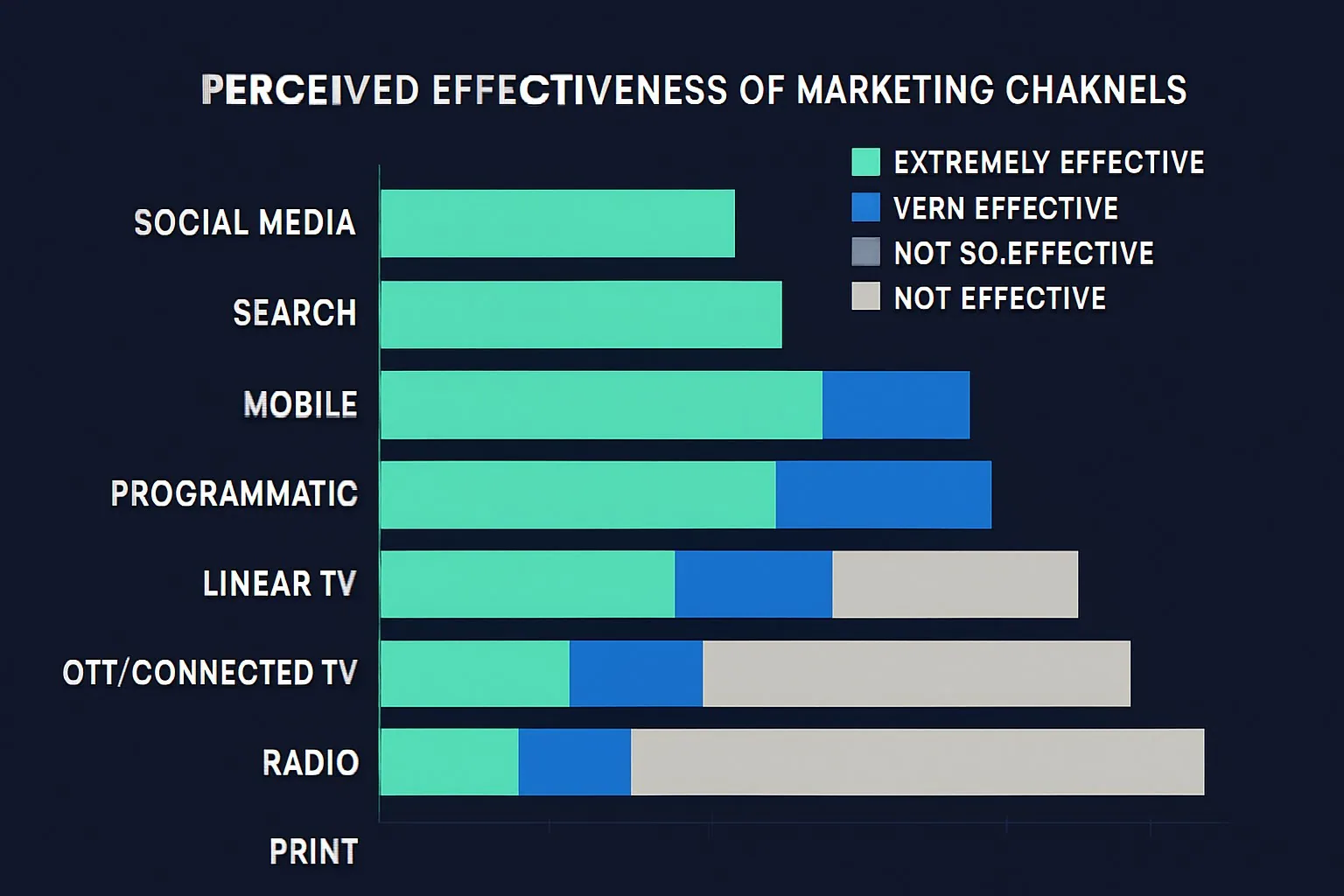
Source: The Nielsen CMO Report, 2018.
Despite these challenges, the programmatic infrastructure — spanning DSPs, SSPs, ad exchanges, DMPs, and ad servers — has fundamentally changed how digital advertising operates, enabling a level of scale, targeting precision, and measurement that simply was not possible in the manual era.