How Data Management Platforms Work: Collection, Segmentation, and Activation
More than 80% of worldwide panelists have said data is affirmatively important to deploying their advertising and marketing efforts — and a further 92.2% said it's likely to play an increasingly important role in the future. Those figures come from the Winterberry Group's Global Review of Data-Driven Marketing and Advertising, and they reflect a shift that's been building for years.
The increase in connected devices, the rapid rise of Internet users, and the migration of formerly offline services onto digital channels means there is more data on the Internet now than ever before. With the continued expansion of the Internet of Things (IoT), that volume is set to grow further still.
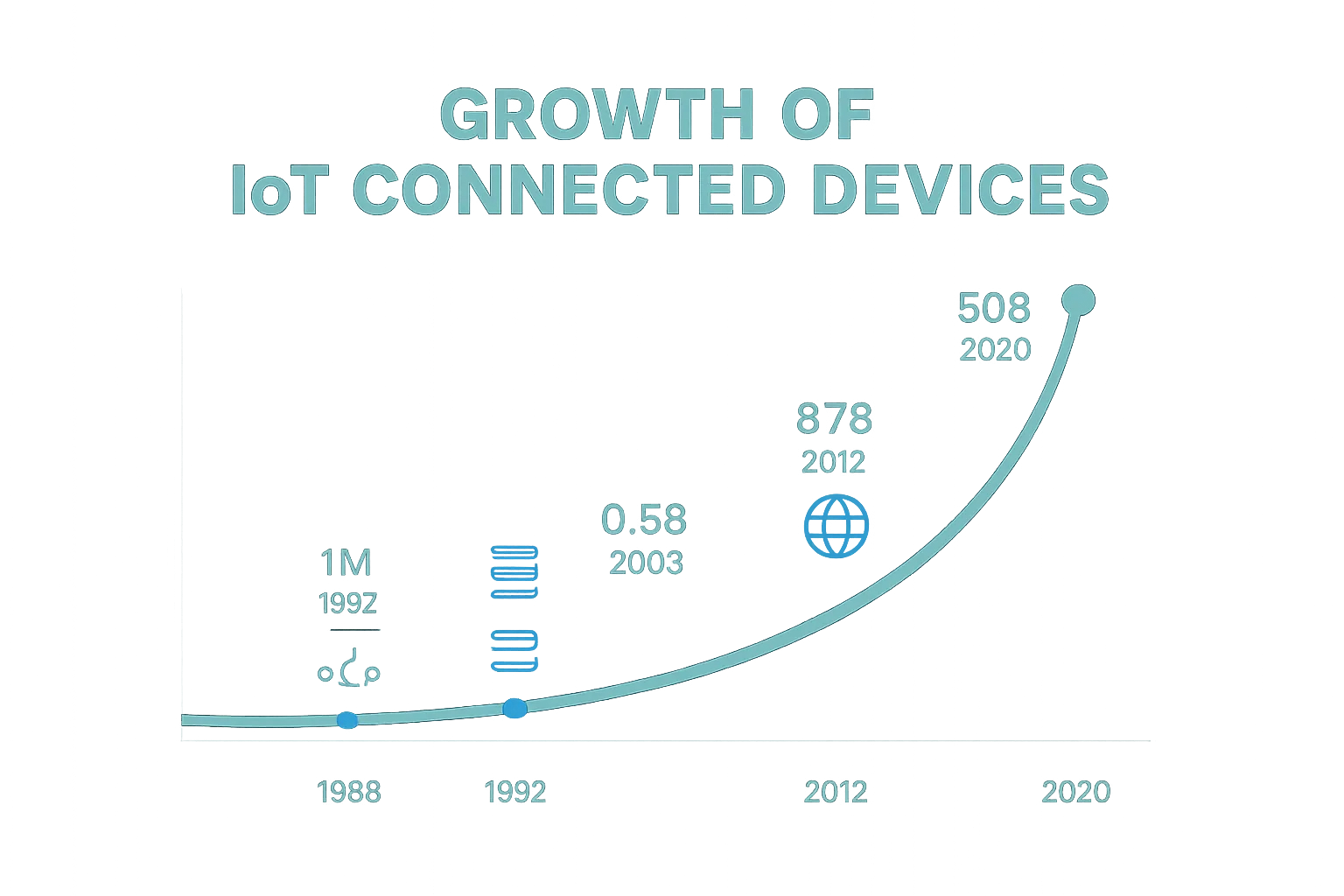
With all this valuable data circulating across platforms and channels, the need to centralize large amounts of information from different sources — and turn it into actionable results — has become a central challenge for any data-driven organization.
That's where a data management platform (DMP) comes in.
What Is a Data Management Platform (DMP)?
A data management platform is a technology platform that collects data from a range of different sources, classifies and categorizes it, groups it into segments, and then uses those segments to achieve specific business goals.
What Types of Data Does a DMP Collect?
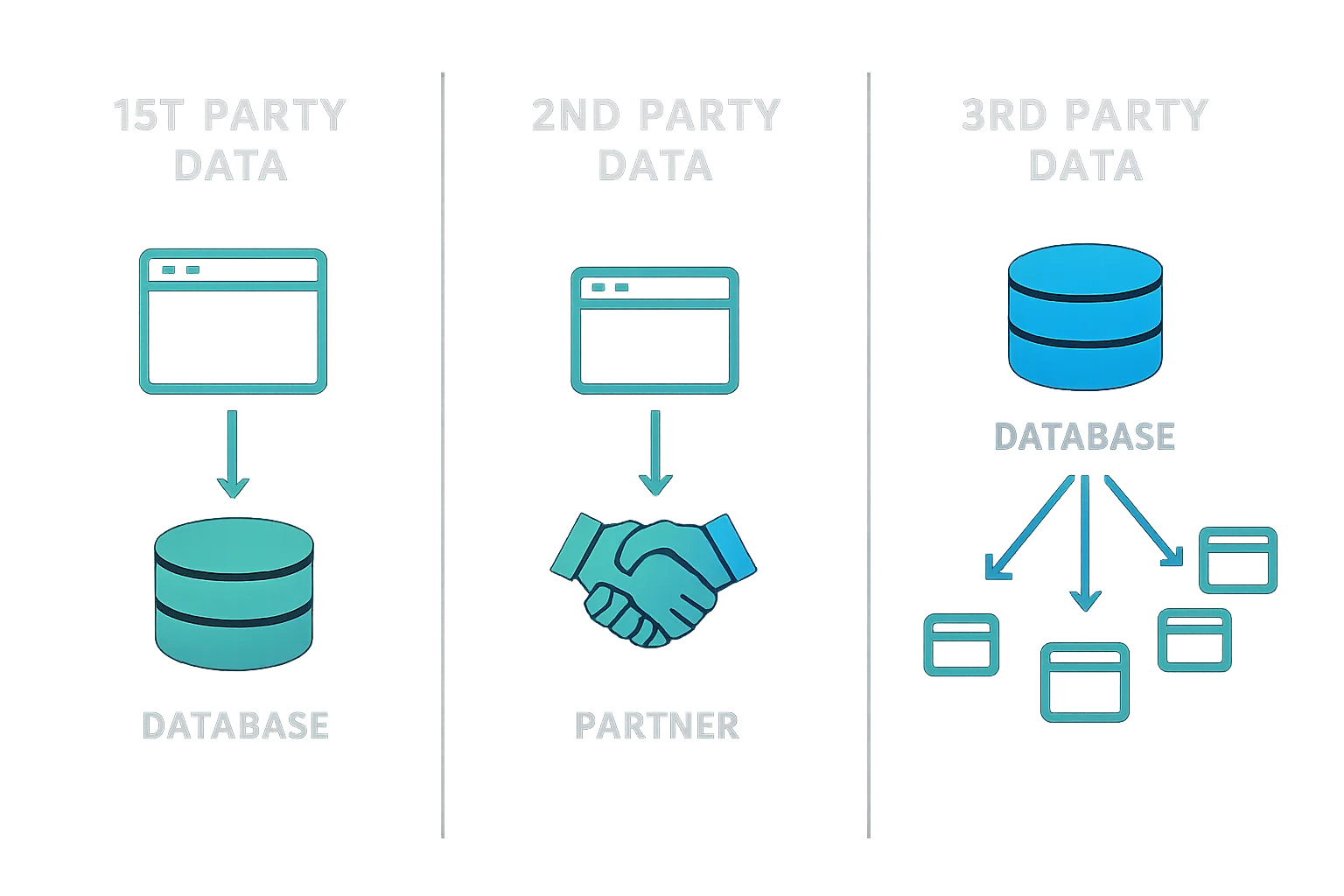
First-party data is information gathered directly from users or customers. It typically comes from:
- Web and mobile analytics tools
- Customer Relationship Management (CRM) systems
- Transactional systems
- Subscriptions and newsletter sign-ups
Second-party data is first-party data that one company collects and then passes to another through a partnership agreement. Common examples include:
- Ad-serving data
- Audience information shared between partners
Third-party data is collected from a broad range of sources and sold to companies for audience targeting and analysis.
Who Benefits from a DMP, and Why?
In pursuit of higher marketing ROI, advertisers, marketers, and agencies have expanded campaign activity across an increasing number of channels. The common outcome is poor ROI driven by low engagement — more reach, but the wrong reach.
The solution isn't to reach more people. It's to reach more of the right people.
"Behaviorally targeted ads are more than twice as valuable and twice as effective as non-targeted online ads." — Network Advertising Initiative
A DMP supports advertisers, marketers, and agencies in optimizing their media-buying processes. But the benefits extend beyond companies that operate directly in online advertising. In practice, a DMP can benefit any organization that:
- Manages online advertising campaigns involving connections with other ad-tech platforms (ad networks, demand-side platforms, ad exchanges, supply-side platforms, etc.)
- Wants to increase conversion rates, improve user experience on websites or apps, and build brand recognition
- Wants to lower advertising costs and improve campaign ROI across display, mobile, video, and social
- Wants to personalize messages and content shown to customers and prospects through advertising, remarketing, and other brand interactions (including on-site content and email newsletters)
- Wants to learn more about existing users and customers to inform product and service development
- Wants to connect offline data with online data to build a Single Customer View (SCV)
With those general use cases in mind, it's worth examining how a DMP delivers value in more specific contexts.
DMPs for Publishers
Data management platforms aren't typically the first tool that comes to mind for publishers, but they can provide just as many advantages to publishers as they do to advertisers and agencies.
Monetizing Audience Data
Publishers — particularly those attracting large volumes of traffic — can monetize that traffic by segmenting and selling valuable audience data to other companies. Those buyers might be online advertisers or other websites seeking to target specific audiences.
Consider a popular music streaming website that offers both a free tier (up to two hours of streaming per week) and a premium tier (unlimited streaming). The publisher could segment its visitors into audiences along lines such as:
Segment 1 Visitors who live in the New York area and stream up to two hours of music per week.
Segment 2 Visitors who hold a premium account, are aged 18–25, and visit the site at least once a week.
Segment 3 Visitors who access the website exclusively via mobile and do not stream music.
Those segments can be monetized in two primary ways:
1. Direct Partnership
The publisher can establish a direct, exclusive partnership with another website — for example, a brand that wants to reach people in the New York area who listen to music online. That second company can display ads to that specific audience segment. Once shared, the publisher's data becomes second-party data for the buying party.
2. Data Broker
The publisher can sell segments to an existing data broker. Compared to a direct partnership, however, this approach is far less transparent. The publisher also cedes a degree of independence: it's the data broker, not the publisher, that determines which segments are shared and how they're structured.
Using Data for Upselling
Publishers can also apply their own audience data to grow revenue from their products and services through targeted upselling.
According to research from a Forrester analyst, product recommendations via upselling and cross-selling increase sales by 10%–30% on average.
Returning to the music streaming example: the site could launch an email campaign targeting non-paying visitors who stream more than one hour of music per week (Segment 1), encouraging them to subscribe to the premium tier. Because those users already demonstrate strong engagement with the content, they're considerably more likely to convert than casual visitors who access the site infrequently, like those in Segment 3.
DMPs for Advertisers and Marketers
For advertisers and marketers, a DMP opens up a particularly wide range of possibilities given the breadth of data inputs and activation channels available.
1) Personalized Remarketing
Remarketing (also called retargeting) is an established and effective advertising technique, but traditional approaches leave significant opportunity on the table. Personalized remarketing — enriching first-party visitor data with third-party and offline data — raises the ceiling considerably.
A few key applications:
Shopping Cart Abandonment: An estimated 50%–70% of sales are lost through shopping cart abandonment. E-commerce companies can recover a portion of that revenue by running personalized remarketing campaigns that surface the specific abandoned products and services to those users via ads and email.
Lapsed Trials: Users who trialed a product or service but didn't convert represent a high-value segment. Creating specific audience groups (e.g., users who didn't subscribe to services at various price points) and targeting them with tailored messaging can meaningfully improve subscription conversion rates.
Beyond paid remarketing, DMP data can power personalized and dynamic website content — customizing what visitors see based on their profile to improve user experience and drive conversions.
2) Data-Driven Media Buying
With the effectiveness of standard banner advertising in decline and ad blocker adoption continuing to rise, serving relevant ads to the right user has become a critical competitive differentiator.
By collecting and activating first-, second-, and third-party data, advertisers can increase the probability of reaching engaged, relevant audiences rather than broadcasting broadly and hoping for the best.
3) Analytics
Modern analytics goes well beyond tracking pageviews and session counts. By collecting and analyzing data across multiple sources, advertisers can uncover new trends, identify conversion drop-off points, and build a more detailed picture of audience behaviour.
Segmenting users based on past purchases, on-site interactions, stated preferences, and responsiveness to specific offers enables more precise targeting and, ultimately, better sales performance.
4) Single Customer View (SCV)
A Single Customer View allows advertisers and marketers to track identified users across multiple touchpoints and devices, building unified customer profiles that reflect the full breadth of brand interactions.
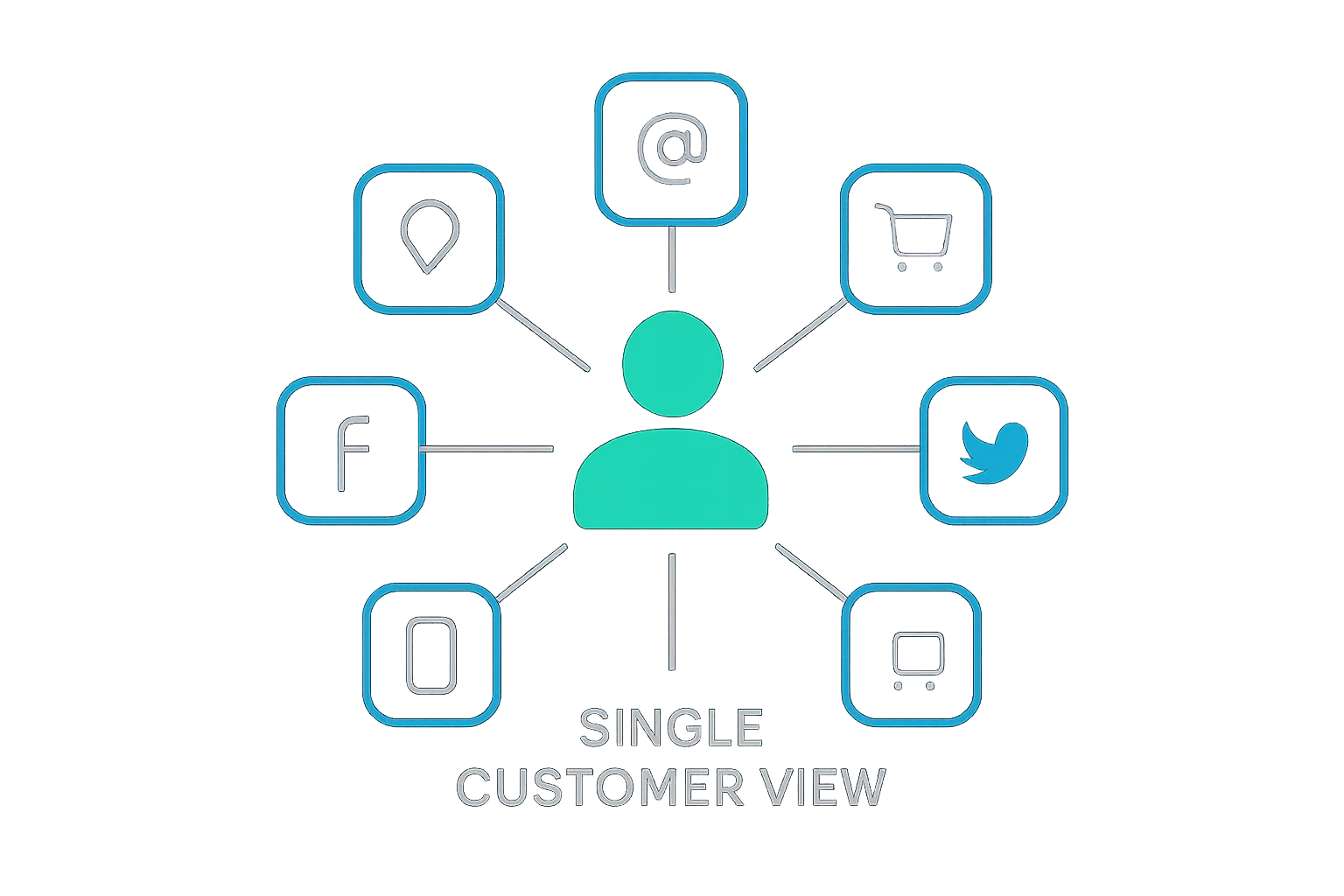
In practice, consumers routinely switch between smartphones, tablets, and desktops. Tracking those interactions as belonging to the same person is technically challenging — but solvable through a Universal ID.
A Universal ID is effectively a combination of many IDs drawn from different devices and channels. Here's how it works in practice:
Say a user is on their desktop computer and clicks through to an article on the New York Times website. A DMP with a tracker on nytimes.com sets a third-party cookie in that browser, identifying the user on their desktop.
Later, the same person opens the native New York Times app on their tablet. Because cookies cannot pass from one device to another, that tablet session generates a different ID. However, a DMP may be able to match the two IDs in one of two ways:
Unified login ID: If the user has logged into their browser or the New York Times site with the same username on both devices, the DMP can match those unified login IDs.
Probabilistic ID matching: This approach analyzes a broad range of signals to determine, with a calculable probability, that the desktop user and the tablet user are the same person.
How DMPs Work: Collection, Segmentation, and Activation
While individual platforms vary in their feature sets, all DMPs fundamentally perform three core processes: collection, segmentation, and activation.
Collecting the Data
The primary function of any DMP is data collection.
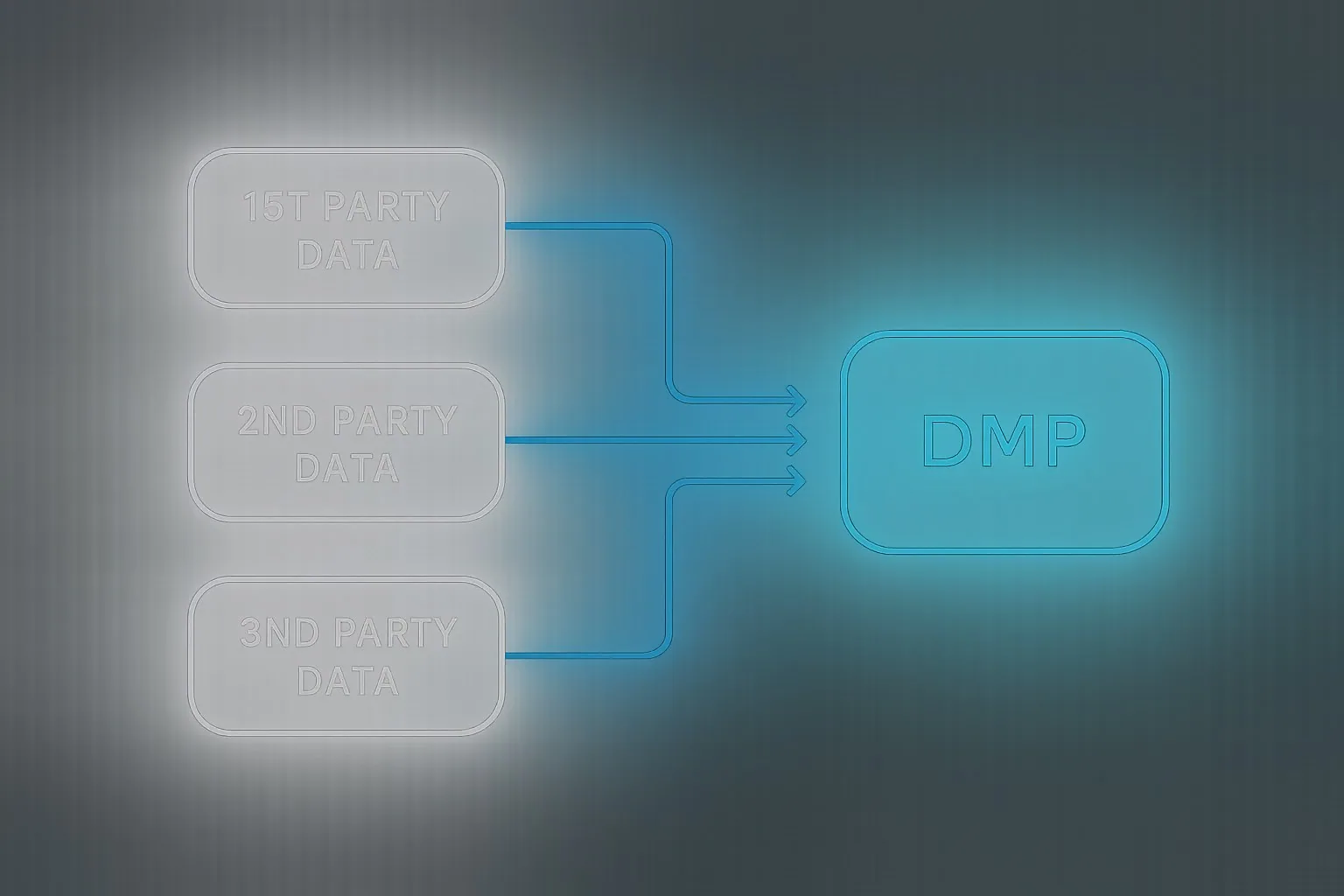
Data arrives from a wide range of sources:
Online Data Sources
- Customer Relationship Management (CRM) platforms
- Marketing-automation platforms
- Email marketing software
- Analytics platforms
- Tag management systems (TMS)
- Websites and mobile apps
- Second- and third-party data sources
Offline Data Sources
- Retail transactions from in-store purchases
- Loyalty-card data
- Contact details collected at events, conferences, and trade shows
The Collection Process
The collection mechanism varies by data type.
For first-party online data, the standard approach is placing a tag (e.g., an analytics tag) on the website so that data flows directly into the DMP. CRM integration should also be configured — but critically, offline first-party data (such as contact details gathered at an expo) should be entered into the CRM system so the DMP captures both online and offline first-party data in one place.
For second- and third-party data, integration is typically handled by connecting the DMP to external data suppliers — most commonly via cookie syncing.
Segmenting the Data
Once data has been collected, it gets segmented.
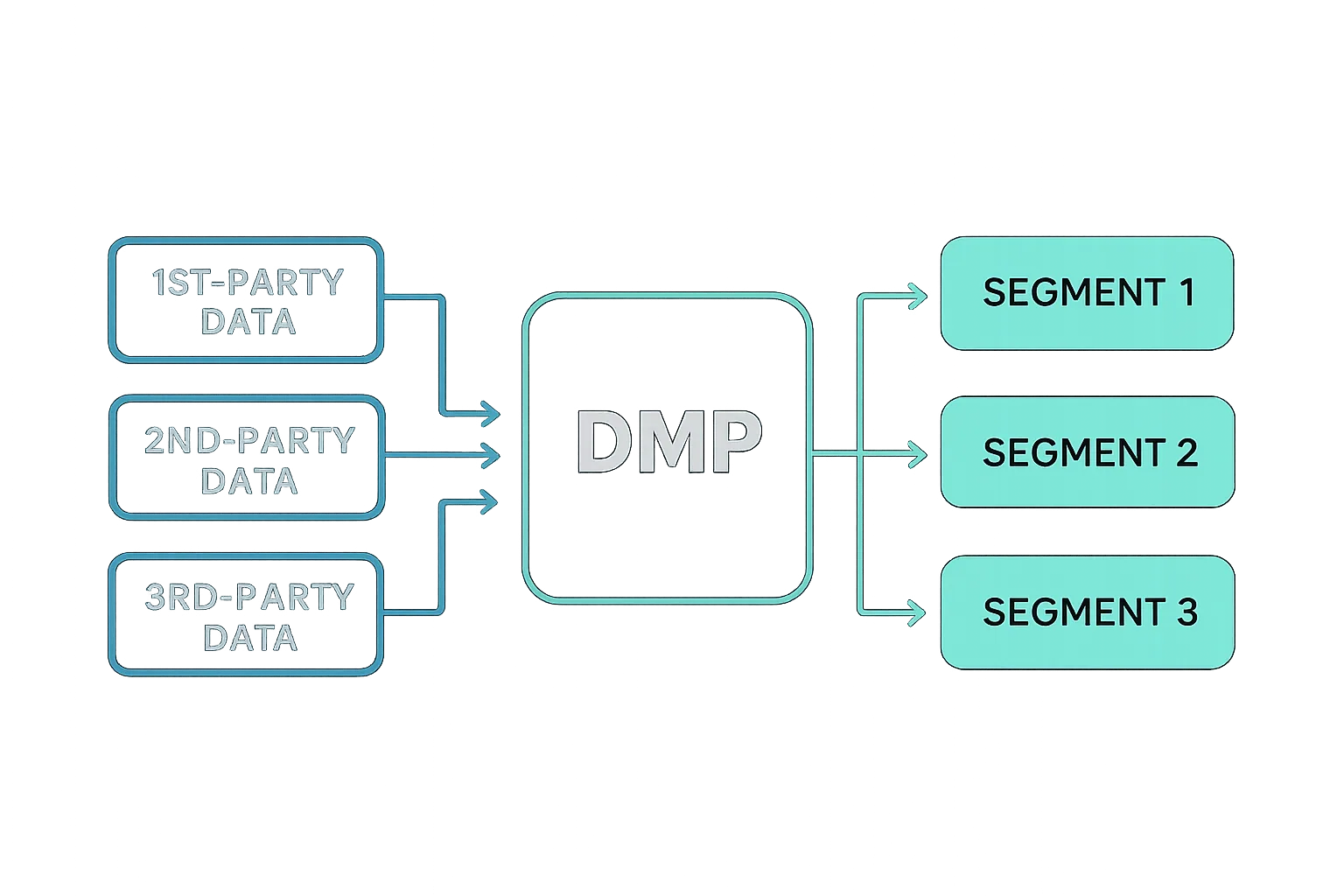
Segmentation groups data based on shared characteristics — demographic, behavioural, transactional — so that different audiences can be targeted with relevant messages. Returning to the earlier music site example, Segment 1 (users in New York who stream up to two hours of music per week) could be targeted with promotions for New York restaurants.
The number of possible segments is effectively unlimited, but effective segmentation is goal-driven: every segment should map to a specific business objective.
A closely related concept is data taxonomy — the classification structure applied to data categories.
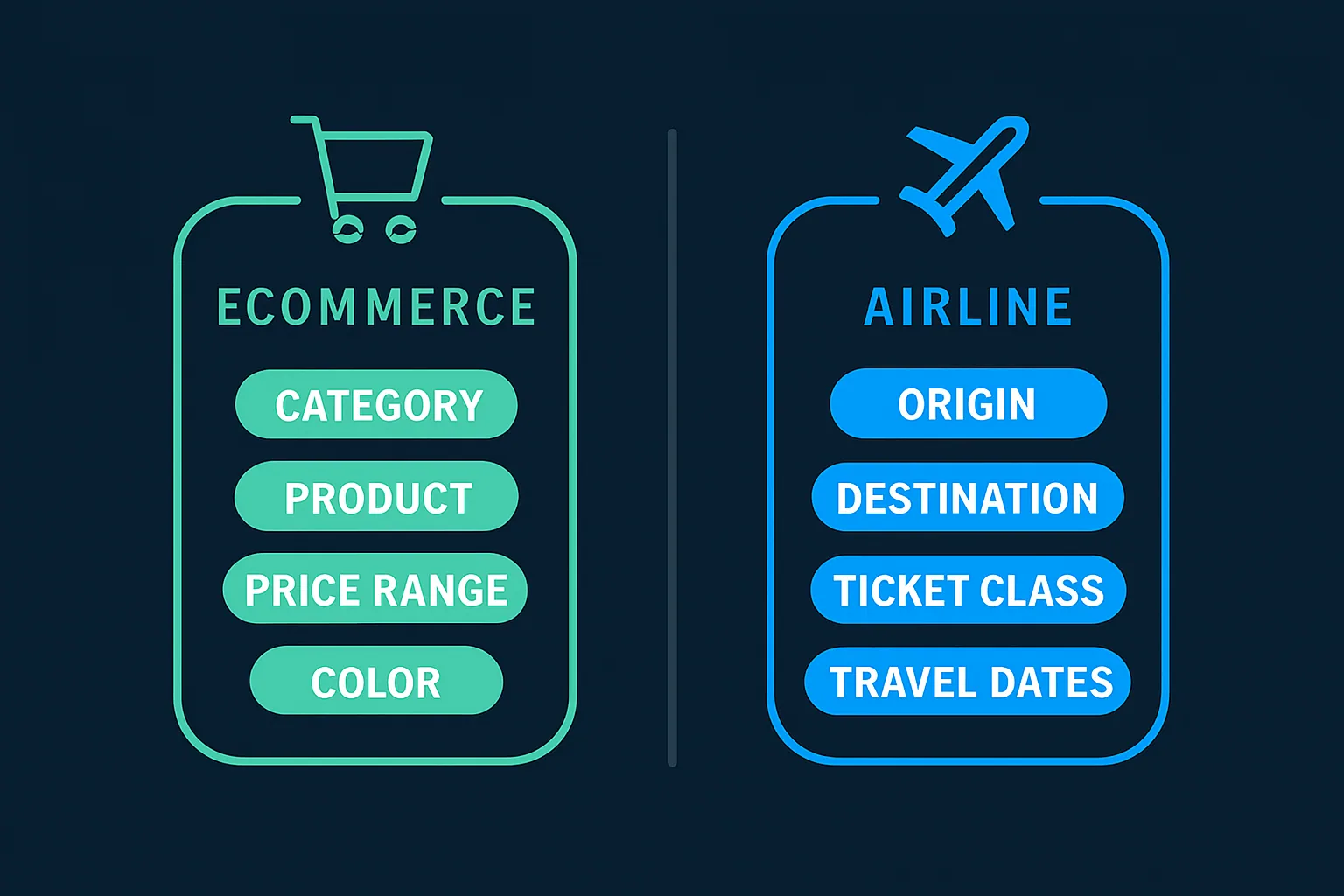
For example, an e-commerce retailer and an airline would structure their data categories quite differently, reflecting their distinct customer journeys and business models. What matters is that taxonomies remain consistent across all connected systems. Inconsistent classification is a common source of data quality problems. Taxonomy is recognized as a critical component of Master Data Management (MDM).
Activating the Data
Once collected and segmented, data is activated — put to work.
Syncing with Ad-Tech Platforms
The most common activation path for advertisers involves syncing audience segments with other advertising technology platforms: demand-side platforms (DSPs), supply-side platforms (SSPs), ad exchanges, ad servers, and dynamic creative engines. After syncing, defined audience segments can be exported directly to those platforms for use in targeting.
Data Onboarding
An alternative to cookie syncing is data onboarding. This process takes offline data — residential mailing addresses, email addresses, and similar identifiers — and transforms it into online cookies via an onboarding partner such as LiveRamp or iBehavior. These partners maintain extensive datasets that enable matching of offline identifiers to corresponding online cookies — for instance, matching an email address collected at a trade show to that person's browser cookie.
The ability to activate data across multiple advertising technology platforms is what allows organizations to serve highly relevant ads to their target audiences across both web and mobile environments.
Data management platforms sit at the intersection of data strategy and execution. Understanding the collection-segmentation-activation loop — and how first-, second-, and third-party data feed into it — is the foundation for getting meaningful value out of any DMP deployment.